Delhi Implements Fuel Ban on Old Vehicles: A Major Step Towards Cleaner Air
Delhi implements fuel ban on old vehicles from July 1, 2025, targeting 10-year-old diesel and 15-year-old petrol vehicles using AI-powered ANPR cameras to combat air pollution.

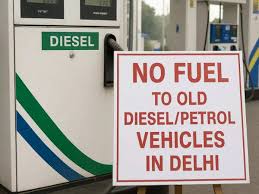
The Delhi government has officially implemented a comprehensive fuel ban on older vehicles starting July 1, 2025, marking a significant milestone in the capital's fight against air pollution. The enforcement bans refueling of 10-year-old diesel vehicles and 15-year-old petrol vehicles as part of anti-pollution measures, directly targeting end-of-life vehicles that contribute significantly to the city's deteriorating air quality.
Advanced Technology Drives Implementation
The Delhi government has deployed cutting-edge technology to ensure effective enforcement of the fuel ban. 500 out of 520 petrol pumps in Delhi are equipped with Automatic Number Plate Recognition (ANPR) cameras that can read number plates and check vehicle age using the VAHAN database. This AI-powered system automatically identifies vehicles that exceed the permitted age limits, making the enforcement process seamless and efficient.
Legal Framework and Supreme Court Backing
The policy stems from a 2018 Supreme Court ruling and an order from the 2014 National Green Tribunal, providing a strong legal foundation for the implementation. The National Green Tribunal's 2015 order imposed a blanket 10-year ban on diesel vehicles to fight air pollution, which was later upheld by the Supreme Court. This legal backing ensures that the fuel ban has constitutional validity and cannot be easily challenged.
Enforcement Mechanism and Penalties
Delhi Police personnel are being deployed to conduct checks at petrol pumps to enforce the ban, ensuring strict compliance across the city. If fuel stations violate this rule and provide fuel to an old vehicle, they may face legal action from the authorities. The comprehensive enforcement mechanism includes both technological solutions and human oversight to prevent violations.
Impact on Vehicle Owners
The fuel ban affects thousands of vehicle owners across Delhi and the National Capital Region. Lakhs of Delhi-NCR residents owning banned cars now face two options—scrap their vehicles for incentives or sell them in permitted states. This creates a significant economic impact for vehicle owners who must either dispose of their vehicles or relocate them to states where such restrictions don't apply.
Phased Implementation Across NCR
The fuel ban implementation follows a phased approach extending beyond Delhi. Five key districts, Gurugram, Faridabad, Ghaziabad, Gautam Budh Nagar and Sonipat, will implement similar fuel restrictions from November 1, 2025, after completing ANPR camera installations by the end of October. The remaining NCR districts are expected to follow by April 1, 2026, creating a comprehensive regional approach to tackling vehicular pollution.
Public Response and Challenges
Delhi's fuel ban on older vehicles sparked confusion and criticism as citizens compare it to Nordic policies lacking local infrastructure support. The implementation has faced resistance from various quarters, including petrol pump owners who have approached the Delhi High Court seeking relief from the stringent enforcement measures.
Future Implications for Vehicle Policy
The fuel ban represents a broader shift in Delhi's vehicle policy framework. Delhi plans to limit gasoline and diesel-powered cars a family can buy as well as ban sales of fuel-guzzling motorbikes and scooters, indicating that the current fuel ban is just the beginning of more comprehensive vehicle restrictions aimed at improving air quality.
Environmental Goals and Air Quality Management
The enforcement, mandated by the Commission for Air Quality Management (CAQM), is aimed at removing End-of-Life (EoL) vehicles from the roads to curb air pollution. This initiative forms part of Delhi's broader environmental strategy to address its persistent air quality challenges and meet national pollution control standards.
Conclusion
The Delhi fuel ban on old vehicles represents a bold step toward environmental conservation and public health protection. While the implementation faces challenges and public resistance, the use of advanced technology and strong legal backing provides a framework for effective enforcement. As the policy extends to other NCR regions, it could serve as a model for other Indian cities struggling with similar air quality issues.
The success of this initiative will largely depend on providing adequate support to affected vehicle owners and ensuring the availability of alternative transportation options. The government's commitment to cleaner air must be balanced with practical considerations for citizens who depend on their vehicles for livelihood and daily transportation needs.

5 Unique Pumpkin Carving Ideas to Wow Your Neighborhood This Halloween
Halloween is just around the corner — and you know what that means: it’s pumpkin carving season! Forget the same old triangle eyes and toothy grin — it’s time to get creative. From classy designs to downright spooky masterpieces, here are 15 unique pumpkin carving ideas that’ll make your porch the star of the block.

US-India Trade Tensions Send Shockwaves Through Indian Stock Markets in 2025
US-India trade tensions crash Indian stocks by $180B in 2025. Nifty 50 down 743 points, Sensex tumbles 2,200+ points. Complete sector analysis, market impact, and investment strategies for navigating the trade war.

Deadly Drive-By Shooting Rocks Chicago's River North: 4 Dead, 14 Wounded Outside Nightclub
Four people killed, 14 wounded in Chicago River North drive-by shooting outside nightclub. Latest updates on the mass shooting investigation and community response.
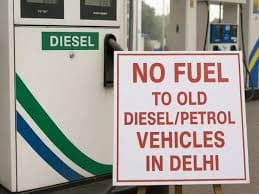
Delhi Implements Fuel Ban on Old Vehicles: A Major Step Towards Cleaner Air
Delhi implements fuel ban on old vehicles from July 1, 2025, targeting 10-year-old diesel and 15-year-old petrol vehicles using AI-powered ANPR cameras to combat air pollution.

ANKIT MOHANTA
Blogger | Full stack developer
I'm a full stack developer and blogger who enjoys turning complex ideas into simple, actionable insights. With a strong background in web development, I specialize in building scalable applications and writing about modern tech, productivity, and real-world development practices. My goal is to share what I learn, solve real problems, and help others grow along the way.