US-India Trade Tensions Send Shockwaves Through Indian Stock Markets in 2025
US-India trade tensions crash Indian stocks by $180B in 2025. Nifty 50 down 743 points, Sensex tumbles 2,200+ points. Complete sector analysis, market impact, and investment strategies for navigating the trade war.

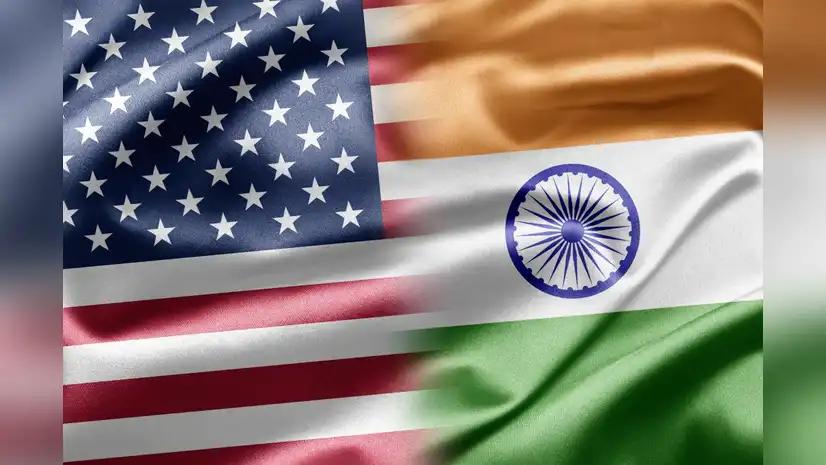
How Trade Disputes Are Reshaping India's Economic Landscape
The ongoing trade negotiations between the United States and India have created significant volatility in Indian stock markets throughout 2025, with investors closely monitoring every development in bilateral trade relations. Recent tariff implementations and trade talk deadlocks have resulted in substantial market movements, affecting multiple sectors and investor sentiment across the subcontinent.
Major Market Impact: Billions Wiped from Indian Stocks
Indian equity markets experienced severe turbulence following the implementation of US trade measures. The benchmark indices witnessed dramatic declines, with the Nifty 50 crashing by 743 points and the BSE Sensex tumbling over 2,200 points in what became one of the most significant single-day drops of 2025. These market movements highlight the deep interconnection between US-India trade relations and investor confidence in Indian equities.
The broader market impact has been substantial, with trade war concerns wiping out $180 billion from Indian stocks over just two days. This massive selloff demonstrates how sensitive Indian markets have become to US trade policy announcements and the potential for escalating trade tensions between the world's largest and fifth-largest economies.
Sectoral Analysis: Winners and Losers in the Trade War
The impact of US-India trade tensions has varied significantly across different sectors of the Indian economy. While some industries face substantial challenges, others have emerged as potential beneficiaries of changing trade dynamics.
Severely Affected Sectors:
- Electronics and Technology: Nearly $14 billion worth of electronics products face direct impact from new tariff structures
- Gems and Jewelry: Over $9 billion worth of exports in this sector confronting trade barriers
- Automotive Components: Auto parts manufacturers experiencing significant pressure from tariff implementations
- Steel and Aluminum: Traditional heavy industry sectors facing 25% specific tariffs
Resilient and Benefiting Sectors:
- Pharmaceuticals: Exempted from tariff measures, providing relief to India's pharmaceutical industry
- Information Technology: IT stocks have shown remarkable resilience and even powered market recoveries
- Textiles and Apparel: Positioned to benefit from potential trade diversions
- Petroleum Products: Exempted from reciprocal tariffs, maintaining stable trade flows
Understanding the Tariff Structure
The US has implemented a comprehensive tariff structure on Indian imports, with rates reaching 26-27% on most goods. The tariff framework includes specific measures such as 25% tariffs on automobiles, auto parts, steel, and aluminum, while maintaining exemptions for pharmaceuticals and semiconductors. This selective approach reflects strategic considerations about supply chain dependencies and economic priorities.
Interestingly, despite the significant tariff burden, analysts estimate that 50-60% of Indian exports may not be severely impacted, with only 10-40% of auto and electronics exports facing substantial challenges. This selective impact suggests that India's diversified export portfolio provides some protection against comprehensive trade disruptions.
Trade Negotiations: Current Status and Future Outlook
The India-US trade relationship remains complex, with both nations seeking to expand bilateral trade to $500 billion by 2030 from approximately $191 billion in 2024. However, recent negotiations have encountered significant roadblocks, particularly around import duties for auto components, steel, and agricultural goods.
India has been seeking favorable tariff treatment for labor-intensive sectors including textiles, toys, leather goods, furniture, gems and jewelry, and automotive components. Meanwhile, the US has been pressing for greater market access in agriculture and other sectors, creating areas of tension that have complicated negotiations.
The Indian government has maintained a firm stance on agricultural trade, particularly regarding dairy and farming sectors, which remain key red lines in negotiations. This position reflects domestic political considerations and the importance of agriculture in India's economy.
Market Recovery and Adaptation Strategies
Despite the initial shock, Indian markets have shown remarkable resilience. IT stocks, in particular, have demonstrated strong performance, helping Indian benchmark indexes reach their highest levels of 2025. This recovery was driven by encouraging forecasts from major IT companies and hopes of de-escalation in broader US-China trade tensions.
Companies and investors are adapting to the new trade environment through various strategies:
- Diversification of export markets, including expanded trade with the European Union and United Kingdom
- Focus on sectors with exemptions or lower tariff impacts
- Supply chain restructuring to minimize tariff exposure
- Strategic positioning in technology and pharmaceutical sectors
Economic Projections and GDP Impact
Despite trade disruptions, India is projected to maintain its robust economic growth trajectory. Government officials indicate that the country is likely to achieve its projected GDP expansion of 6.3%-6.8% for financial year 2025-26, as outlined in the Economic Survey. This optimistic outlook reflects India's economic diversification and domestic demand strength.
The resilience of India's economy in the face of trade challenges demonstrates the country's growing economic maturity and reduced dependence on any single trade relationship. However, the ongoing uncertainty surrounding US-India trade relations continues to create volatility in financial markets.
Looking Ahead: Strategic Implications
The current trade tensions between the US and India represent more than just economic disagreements; they reflect broader geopolitical considerations and the evolving nature of global trade relationships. For investors, this environment requires careful sector selection and risk management strategies.
The pharmaceutical sector's exemption from tariffs, the IT sector's resilience, and the potential for trade diversion benefits in textiles and other labor-intensive industries suggest that opportunities exist even within challenging trade environments. However, sectors heavily dependent on US markets, particularly electronics and automotive components, face ongoing challenges that require strategic adaptation.
Conclusion
The US-India trade relationship remains a critical factor influencing Indian stock market performance in 2025. While initial market reactions to trade tensions were severe, the demonstrated resilience of certain sectors and the overall Indian economy suggests that adaptation and strategic positioning can help navigate these challenges.
Investors should continue monitoring trade negotiation developments while focusing on sectors with structural advantages or exemptions from trade restrictions. The evolution of US-India trade relations will likely remain a key driver of market sentiment throughout 2025 and beyond.

5 Unique Pumpkin Carving Ideas to Wow Your Neighborhood This Halloween
Halloween is just around the corner — and you know what that means: it’s pumpkin carving season! Forget the same old triangle eyes and toothy grin — it’s time to get creative. From classy designs to downright spooky masterpieces, here are 15 unique pumpkin carving ideas that’ll make your porch the star of the block.
US-India Trade Tensions Send Shockwaves Through Indian Stock Markets in 2025
US-India trade tensions crash Indian stocks by $180B in 2025. Nifty 50 down 743 points, Sensex tumbles 2,200+ points. Complete sector analysis, market impact, and investment strategies for navigating the trade war.

Deadly Drive-By Shooting Rocks Chicago's River North: 4 Dead, 14 Wounded Outside Nightclub
Four people killed, 14 wounded in Chicago River North drive-by shooting outside nightclub. Latest updates on the mass shooting investigation and community response.

Delhi Implements Fuel Ban on Old Vehicles: A Major Step Towards Cleaner Air
Delhi implements fuel ban on old vehicles from July 1, 2025, targeting 10-year-old diesel and 15-year-old petrol vehicles using AI-powered ANPR cameras to combat air pollution.

ANKIT MOHANTA
Blogger | Full stack developer
I'm a full stack developer and blogger who enjoys turning complex ideas into simple, actionable insights. With a strong background in web development, I specialize in building scalable applications and writing about modern tech, productivity, and real-world development practices. My goal is to share what I learn, solve real problems, and help others grow along the way.